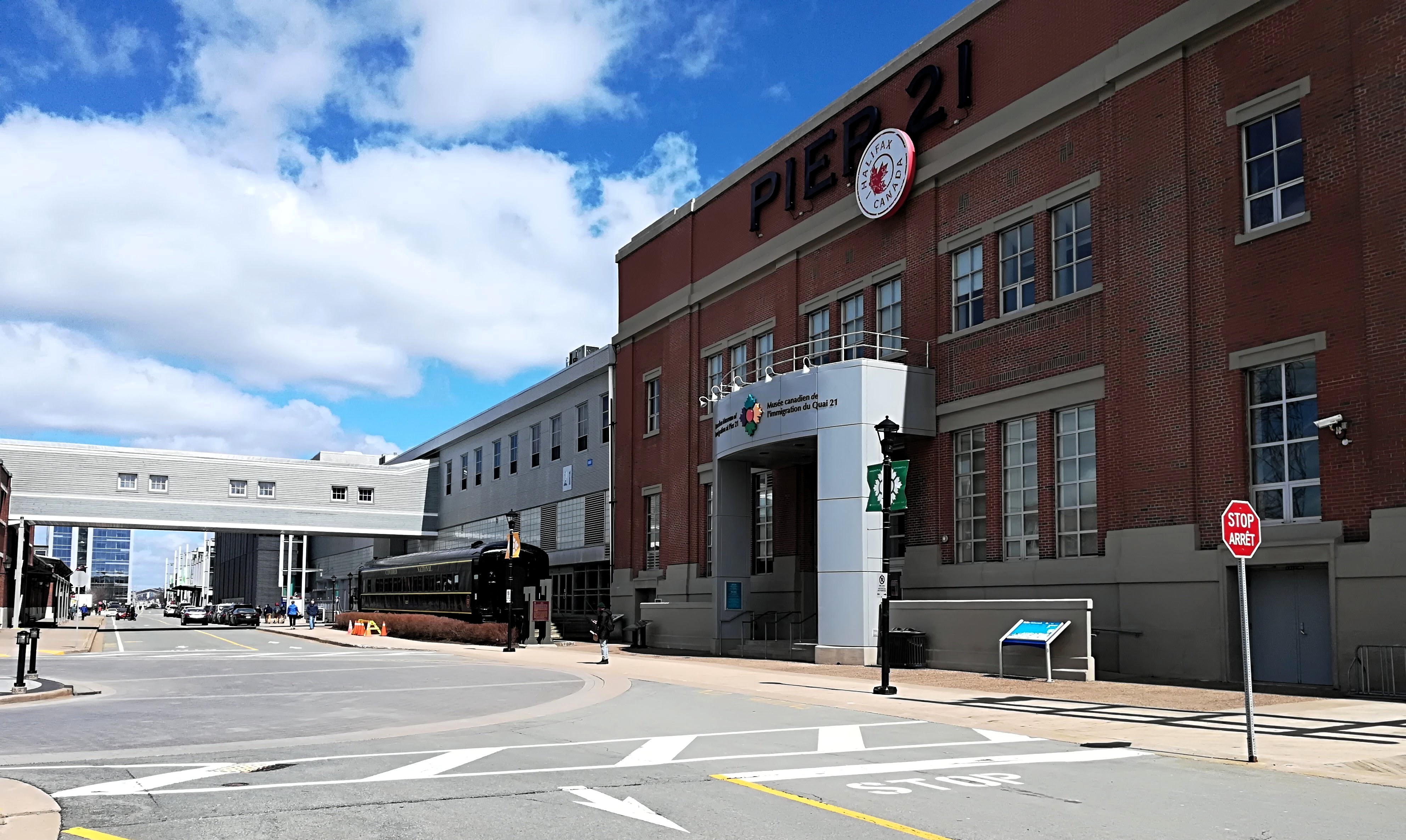
At the Canadian Museum of Immigration in Halifax, visitors can immerse themselves in the permanent Pier 21 exhibit. For decades, Pier 21 served as Canada’s gateway to the world—a place where countless individuals arrived to begin a new chapter in search of a better life. Many left behind loved ones to embrace the unknown, and as time passed, both society and our surroundings evolved. With advances in technology came changes in how people traveled. As ships gradually gave way to faster air travel, the role of ocean liners diminished, eventually leading to Pier 21’s closure on March 28, 1971. The last ship to bring immigrants through its doors was the SS Nieuw Amsterdam (II), sharing its name with the first ship to dock there in 1928.

Today, many return to the museum to contribute to this historic landmark, offering donations or sharing personal stories. Artifacts like luggage, clothing, and children’s toys—once carried across oceans—are now preserved, telling countless untold stories. For me, visiting Pier 21 was a chance to dip my toes into the story of my own family’s journey to Canada.
My visit began with a guided tour led by Daniel, a skilled storyteller whose words brought history to life. He opened by sharing his Maltese origins and offered fascinating insights into Malta—a Mediterranean archipelago between Sicily and the North African coast. Known for its rich history and succession of rulers, including the Romans, Moors, Knights of Saint John, French, and British, Malta embodies a fusion of cultural influences. In many ways, Canada reflects a similar story—its multicultural identity shaped by waves of immigration and diverse traditions.

As Daniel guided us through the exhibit, we stepped inside life-sized ship replicas, getting a glimpse of the cramped quarters passengers once called home—tight bunk-bed setups with modest sinks in between. We passed through dining areas adorned with elegant cutlery and porcelain from around the world. From the ships, we transitioned to a train exhibit representing the next leg of the immigrant journey—from Halifax to various Canadian cities. Like my grandmother, not all newcomers settled in Halifax; many moved on to places like Montreal or Toronto in search of new beginnings.
Pier 21 offers a glimpse into the immigration experience as it once was. As you walk through the exhibit, it’s hard not to imagine the mix of hope, fear, and wonder these newcomers must have felt. For many, their first encounter with Canadian culture was the sight of unfamiliar foods—canned goods and sliced bread—which stirred feelings of uncertainty and hesitation.
Today, Canada thrives as a multicultural mosaic, rich in languages, faiths, and traditions. The Pier 21 exhibit is more than a museum—it’s a powerful reminder of the journeys that shaped this nation. I could write pages more about this moving experience, but instead, I’ll leave you with a few photos that capture just a fragment of its profound impact.


