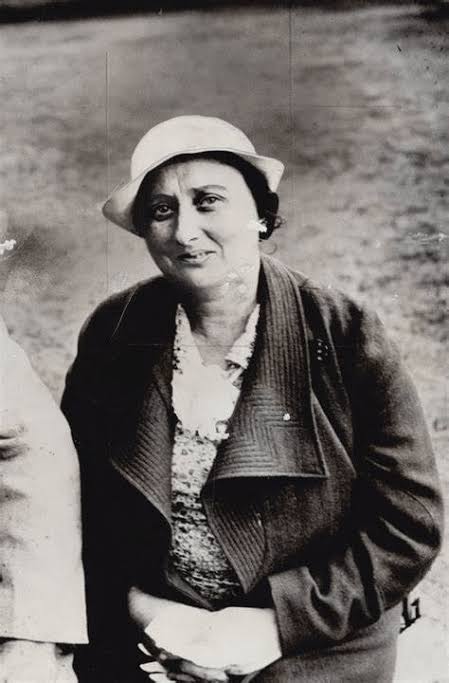
A fierce community advocate in the early 20th century, Grace Bagnato served as a vital bridge for newly arrived immigrants navigating a foreign system.
Grace Bagnato was essentially a one-woman settlement agency for early 20th-century Toronto. Born Grace Genovese in Pennsylvania in 1891 to Italian immigrants, she moved to Toronto as a young child. She grew up in “The Ward,” a densely packed, multicultural neighborhood located near Old City Hall that served as the first stop for thousands of newly arrived immigrants.
Life in “The Ward”
St. John’s Ward, widely known as “The Ward,” was a densely populated downtown Toronto neighborhood that served as the primary landing spot for thousands of newcomers in the early 1900s. Located near present-day Old City Hall, the area was viewed by the city’s establishment as a dangerous, unsanitary slum. Immigrants endured extreme overcrowding—with whole families often crammed into single, unheated rooms—and faced severe public health crises, high infant mortality, and grueling sweatshop labor.
Despite these grim conditions, The Ward was an incredibly vibrant and resilient cultural melting pot. It housed Eastern European Jews, Italians, Chinese, Polish, and Ukrainian immigrants, as well as earlier populations of Irish refugees and Black freedom seekers. Facing intense discrimination from the broader Anglophone city, residents created a self-contained world teeming with mutual aid societies, street vendors, Yiddish theatres, synagogues, and churches. Within these cramped streets, neighbors from vastly different global backgrounds frequently crossed cultural divides and leaned on one another to survive.
Ultimately, civic leaders targeted the neighborhood for “slum clearance” in the name of modernization, systematically demolishing it throughout the mid-20th century to make way for hospitals, government buildings, and Nathan Phillips Square. However, the legacy of The Ward was preserved by its residents, who simply moved outward as they established themselves. These displaced communities planted the seeds for some of Toronto’s most iconic modern cultural hubs, shifting outward to create Kensington Market, Chinatown, and Little Italy.
The “Wonder Woman” of The Ward
Grace married Joseph Bagnato, an Italian community leader, when she was just 13 or 14. Because he only spoke Italian and she only spoke English, she taught herself Italian—becoming fluent in just six months. Realizing she had a remarkable ear for languages, she didn’t stop there.
To communicate with her diverse neighbors in The Ward, Grace learned to speak Yiddish, Polish, Ukrainian, German, and Russian simply by conversing with the people on her street.
Her home phone rang at all hours with immigrants needing help navigating an overwhelmingly Anglophone city. She helped them find doctors, deal with local authorities, and acted as a character witness for those ensnared in the legal system. If Grace vouched for you, judges at Old City Hall were known to be far more lenient. In 1921, she was formally appointed as Ontario’s first female Italian-Canadian court interpreter. She managed all of this while raising a massive family—she gave birth to over 20 children, 12 of whom survived to adulthood.
The Great Stork Derby
In the 1930s, Grace became famous across Canada for an entirely different—and highly controversial—reason.
A deceased eccentric millionaire named Charles Vance Millar had left the bulk of his fortune to whichever Toronto woman could give birth to the most children in the ten years following his death (1926–1936). The media dubbed it “The Great Stork Derby.”
Given her large family, Grace was a leading contender and the subject of intense press coverage. However, the contest exposed the severe discrimination immigrants faced during the Great Depression. Grace received hate mail and anonymous threats from people furious that an Italian-Canadian family might win the fortune. Ultimately, she was disqualified on legal technicalities; she lacked official birth registration papers for some of the children, and the courts ruled her husband was technically an illegal immigrant.
Legacy and Recognition
Despite being denied the Derby fortune, Grace’s real wealth was her standing in the community. When she died in 1950, she left behind a legacy of bridging the gap between marginalized immigrants and the Canadian establishment.
Key Milestones in Bagnato’s Legacy:
- 1921: Official Court InterpreterFormally appointed as Ontario’s first female Italian-Canadian court interpreter.
- 1926–1936: The Great Stork DerbyCompeted in the sensationalized “Stork Derby” millionaire’s contest, highlighting both her massive family and the anti-immigrant prejudice of the era.
- 2003: Memorial PlaqueA commemorative plaque was installed in Toronto’s Little Italy, officially recognizing her as a “co-creator of the national life.”
- 2013: Via BagnatoThe City of Toronto named a small street in her honor, cementing her physical presence in the city’s history.
Document Our Community Heritage
Do you know an immigrant who has shaped your neighbourhood? We’re collecting stories of newcomers whose dedication and vision have brought positive change and progress to our community. Share their legacy below.
