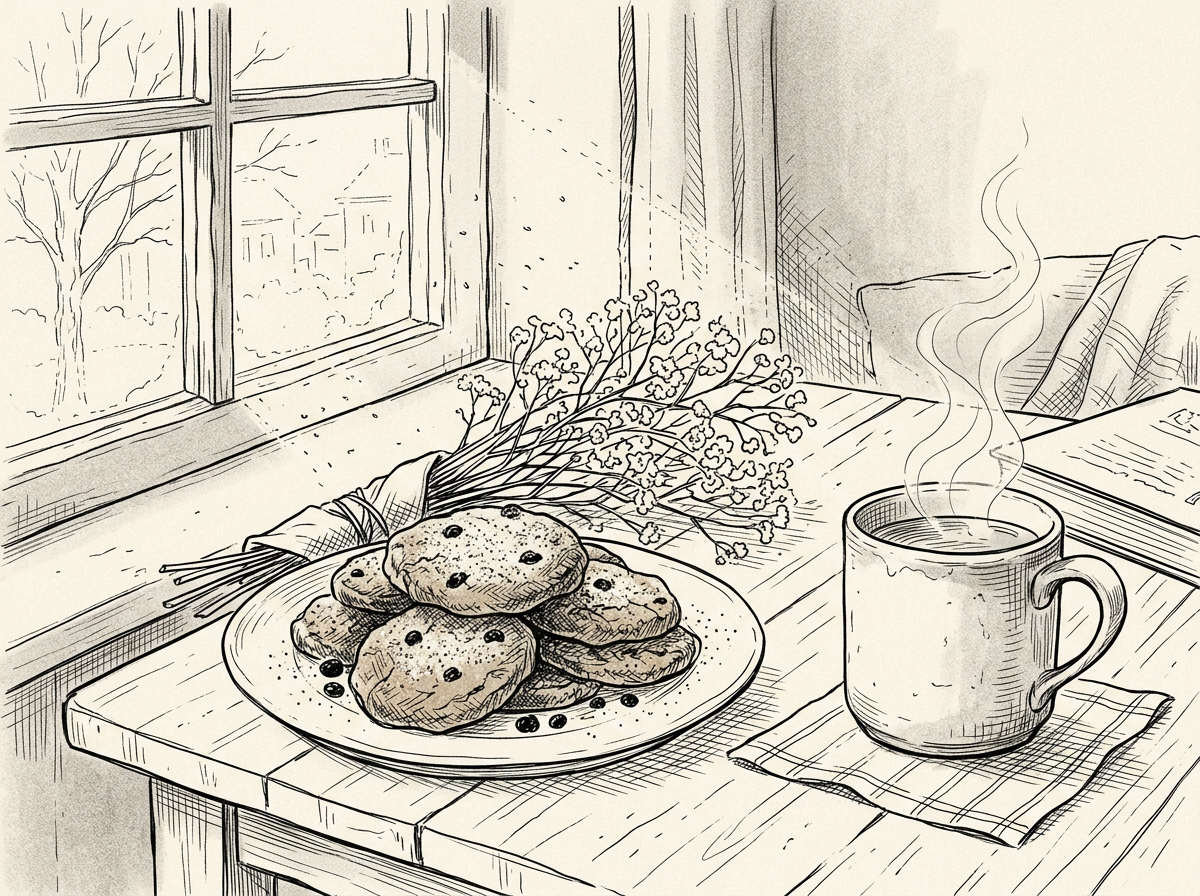
When the sun rises on the first morning of November, the atmosphere of late autumn shifts on its axis. The chaotic dread, protective disguises, and locked thresholds of All Hallows’ Eve give way to an enduring silence. Across church parishes and rural hamlets, November 1st marks All Saints’ Day (historically All Hallows)—and across Latin America, the opening dawn of Día de los Muertos, known as Día de los Angelitos.
From Apotropaic Dread to Sacred Hospitality
In historical folklore, October 31st was an evening of apotropaic magic: using cold iron, carved roots, and masks to confuse, deceive, and bar wandering spectres from the home. But the morning of November 1st inverts that fear into hospitality. Rather than locking out the supernatural, communities historically opened their gates to honor the holy, the innocent, and the forgotten.
Formally fixed to November 1st by Pope Gregory III in the 8th century, the feast originally consecrated the pantheon of Christian martyrs—particularly those whose names had slipped unrecorded from human history. Yet beneath the liturgical calendar ran deeper currents of folk survival and seasonal reckoning.

The Rites of November 1st
The Return of the Children (Día de los Angelitos)
In Mexican indigenous and syncretic tradition, November 1st is set aside solely for welcoming back the departed souls of infants and children. Household ofrendas (altars) are dressed in white baby’s breath and gentle wild orchids rather than fiery marigolds. Toys, sweet pan de muerto, cups of warm milk, and candies are arranged low to the ground to guide the youngest spirits across the veil.
The Souler’s Knock
Across medieval England, Wales, and Flanders, groups of children and the parish poor took to muddy roads for “souling.” Carrying hollowed turnip lanterns or wooden bowls, they went from door to door singing ancient rhymes in exchange for spiced soul cakes—small round shortbreads marked with a cross and baked with nutmeg, cinnamon, and currants. For every cake eaten, a prayer was pledged for souls lingering in Purgatory.
Extinguishing the Communal Flame
In earlier Celtic tradition, November 1st marked the start of the dark half of the year. Every hearth fire in the parish was extinguished overnight, and villagers walked out to the local high mound to rekindle their household embers from a single sacred communal bonfire—symbolizing rebirth, unity, and shared warmth against the winter cold.

“A soul-cake, a soul-cake, have mercy on all Christian souls for a soul-cake.”
Traditional Cheshire Souling Song
The Softening Veil
November 1st reminds us that remembrance does not require fear. As the physical harvest is stored away and the earth settles into frost, honoring the dead becomes an act of care rather than defense. It marks the day where grief is given form, sweet dough is broken, and lanterns are set out not to ward, but to welcome.
The Threshold of Remembrance
“Once Halloween masks come off, does the beginning of November feel like a restful breath of fresh cold air, or a sudden plunge into the dark half of the year?”